
Lying buried beneath the surface of Ischia's volcanic mountain is some serious history, including Titanic struggles, a French revolution run amok and plenty of natural catastrophes. A paradise lost?
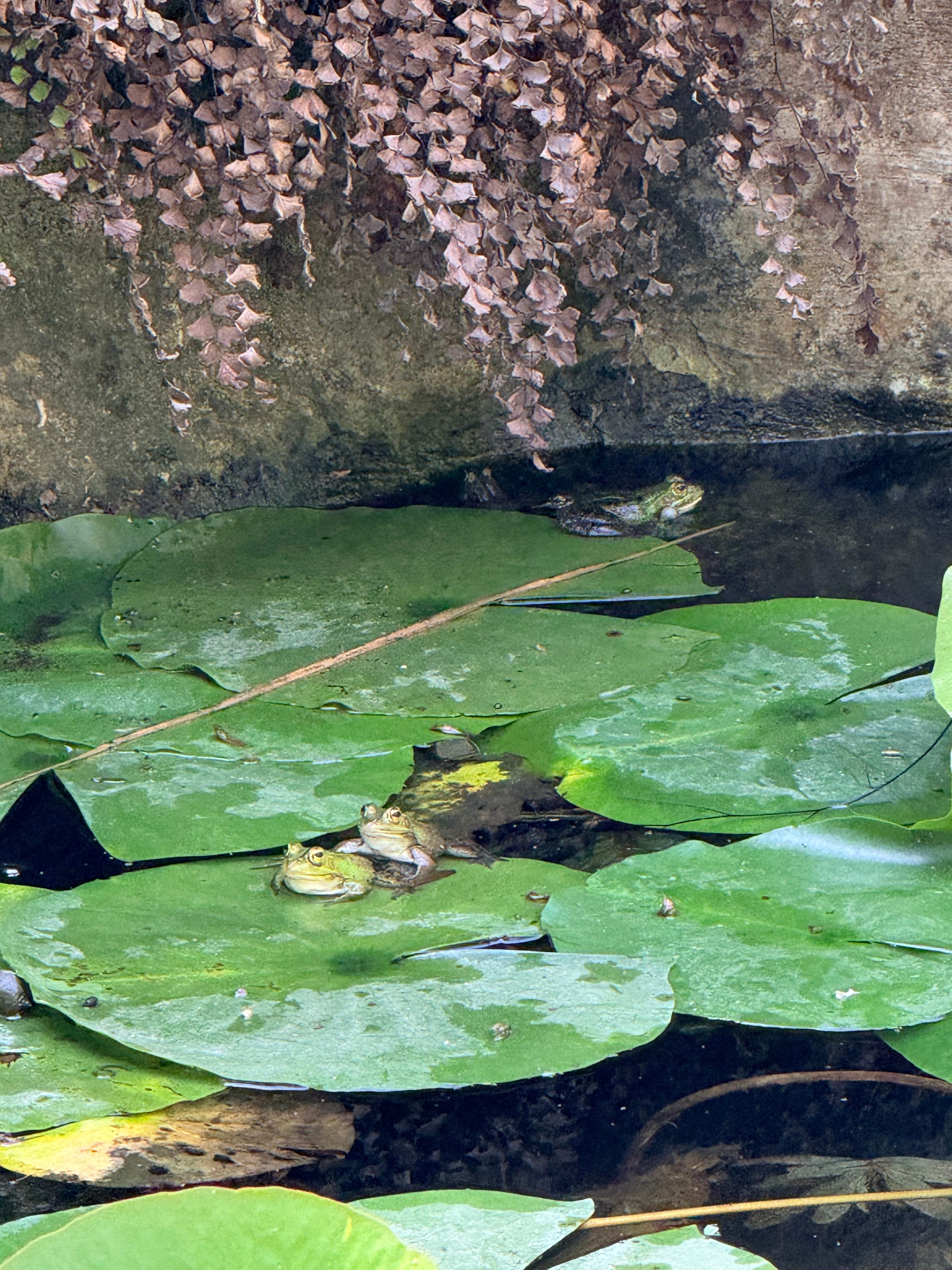
Ischia's verdant landscapes are part of an incredible ecosystem. Tourists have been flocking for decades, writers have turned this place into a literary wonderland. And the frogs are thriving.

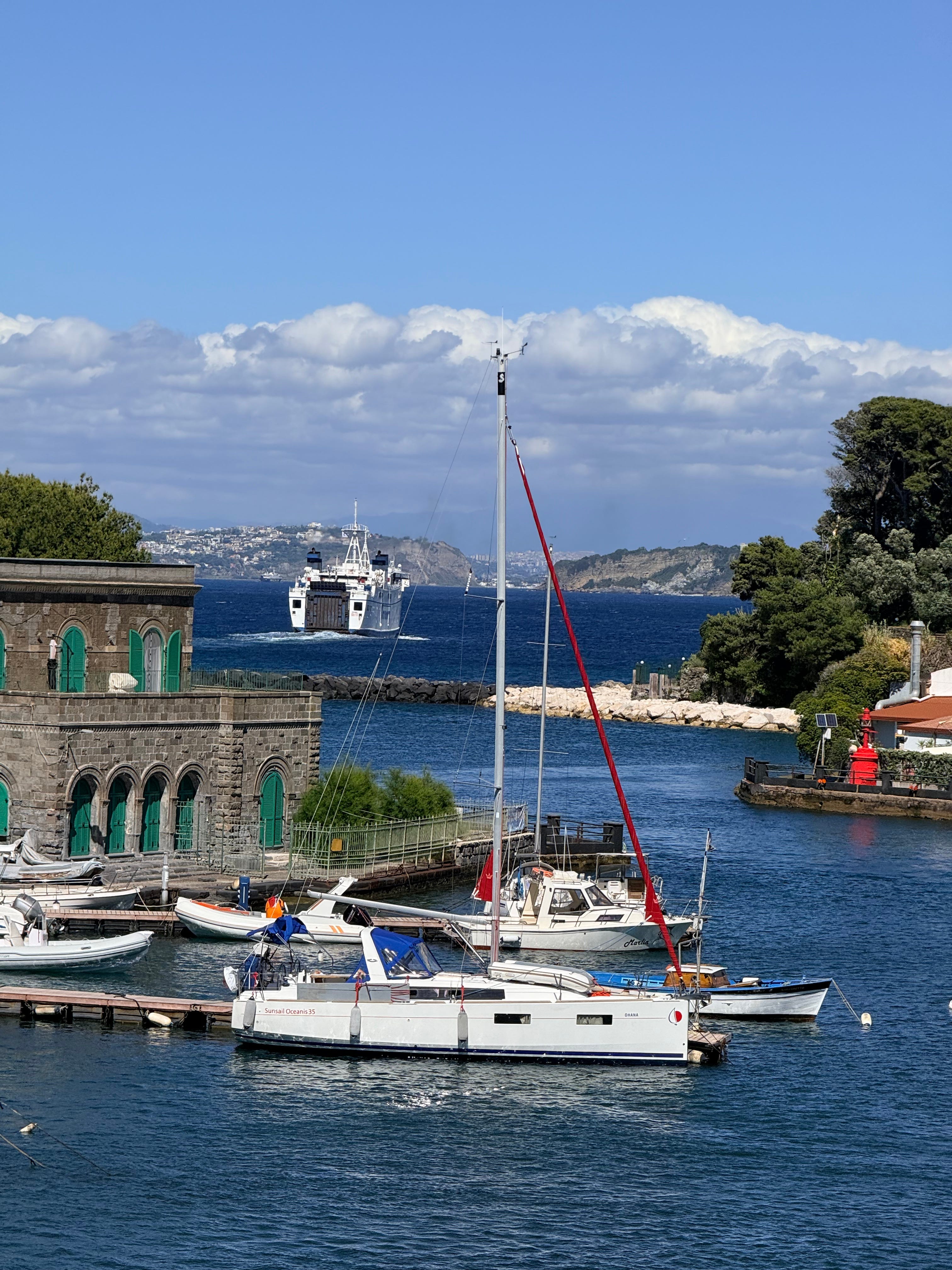
I finally made it to Ischia the island off the Bay of Naples for a much needed break from work. It was my first time visiting the celebrated Isola Verde. I heard lots about the island’s healing properties, the thermal waters, the spectacular communes and the magnificent fortified castles.
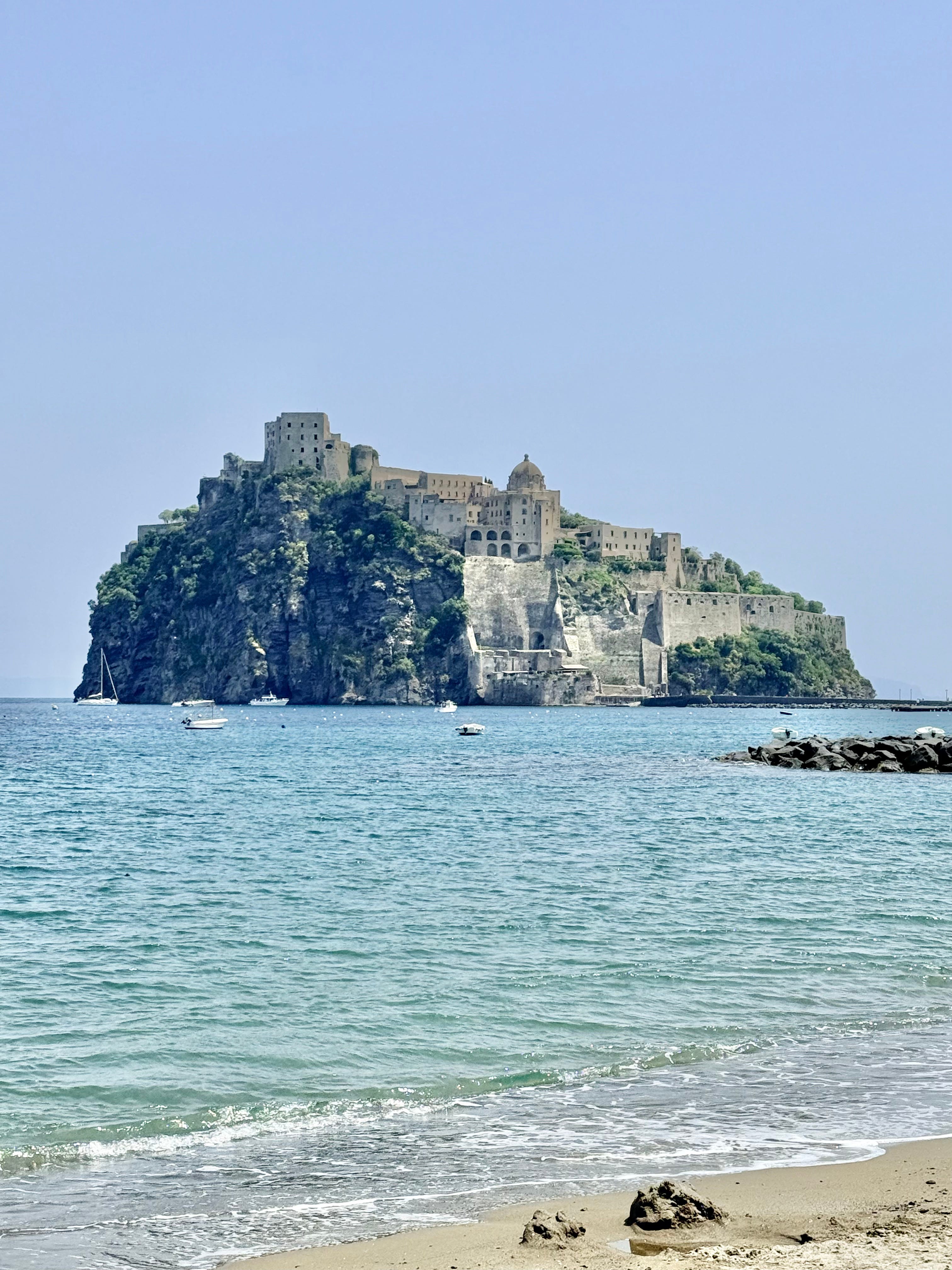
My only prior knowledge about Ischia was what I could glean from the Italian author Elsa Morante and what she wrote about Ischia in her book “Arturo’s Island.” The story, set in the 1930s on the nearby island of Procida, follows the young life of Arturo whose father Wilhelm was half Italian, half German. While we never really learn about the father’s frequent trips away from Procida, Morante does connect him to Ischia, a well known as a bohemian destination among German artists and writers before the Second World War. To this day many Ischians still speak the German language fluently. But thats what initially worried me, I thought Ischia would feel like a stereotypical European vacation colony.

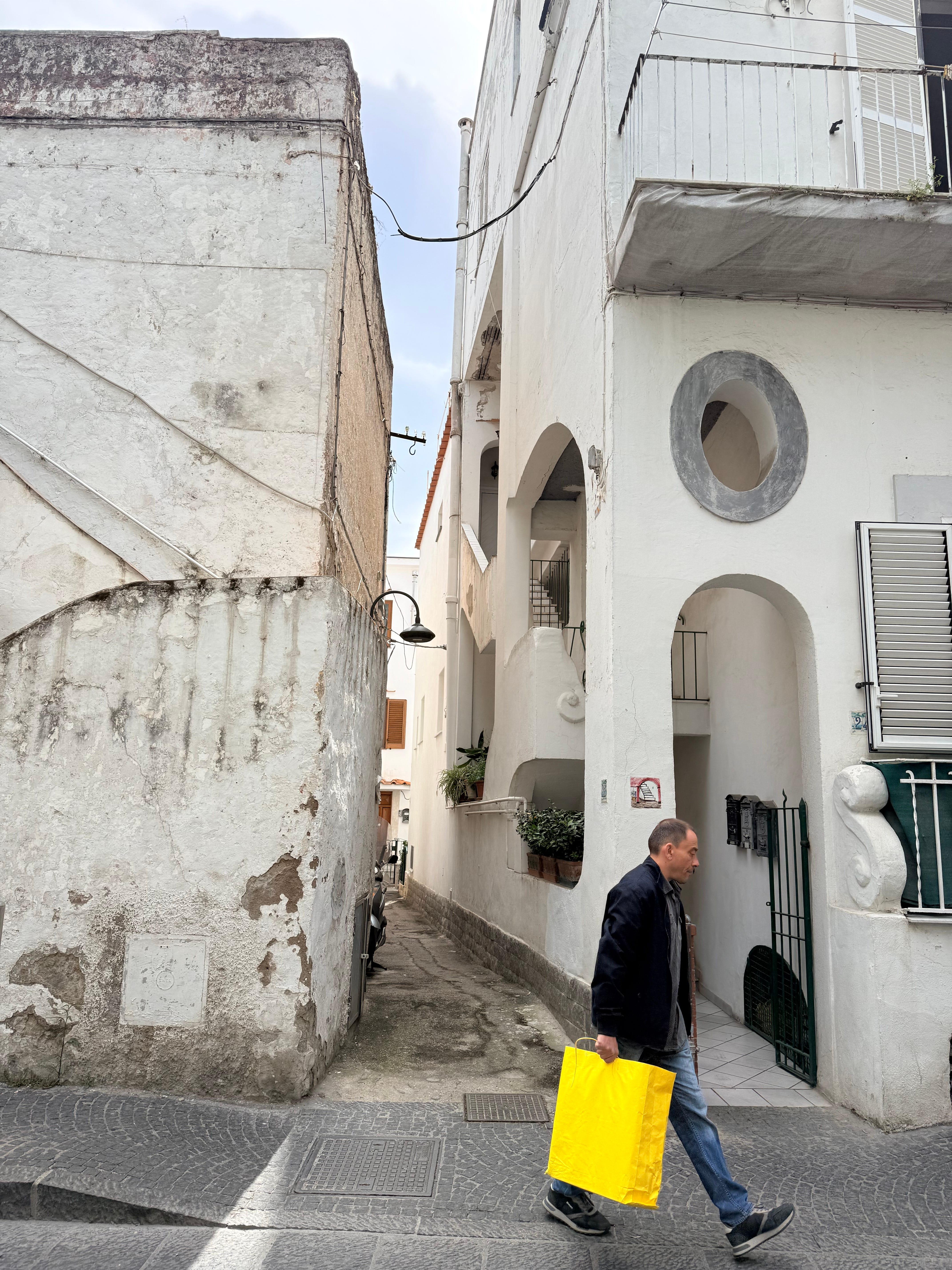
I admit I misjudged it this time. Ischia isn’t that kind of playground. There are parts of Ischia that are undeniably touristic, but most of the island is inhabited by locals going about their daily business. On a kind of tourist barometer, Capri would occupy the extreme end of the tourist dial, a sort of fancy upscale shopping outlet, while at the bottom of the dial is Procida, much more Neopolitan and down to earth. On this barometer, Ischia falls somewhere in the middle.
Actually, the most compelling thing about Ischia hardly makes the tourist radar. Its the dormant volcano that dominates the entire island, covered tip to toe in lush vegetation. The 789 meter high peak, the Epomeo is one massive volcanic rock that rises from the sea and that breathes life into Ischia though often with unplanned side effects. Its hard to get around Ischia without confronting this massive rock on its own terms.
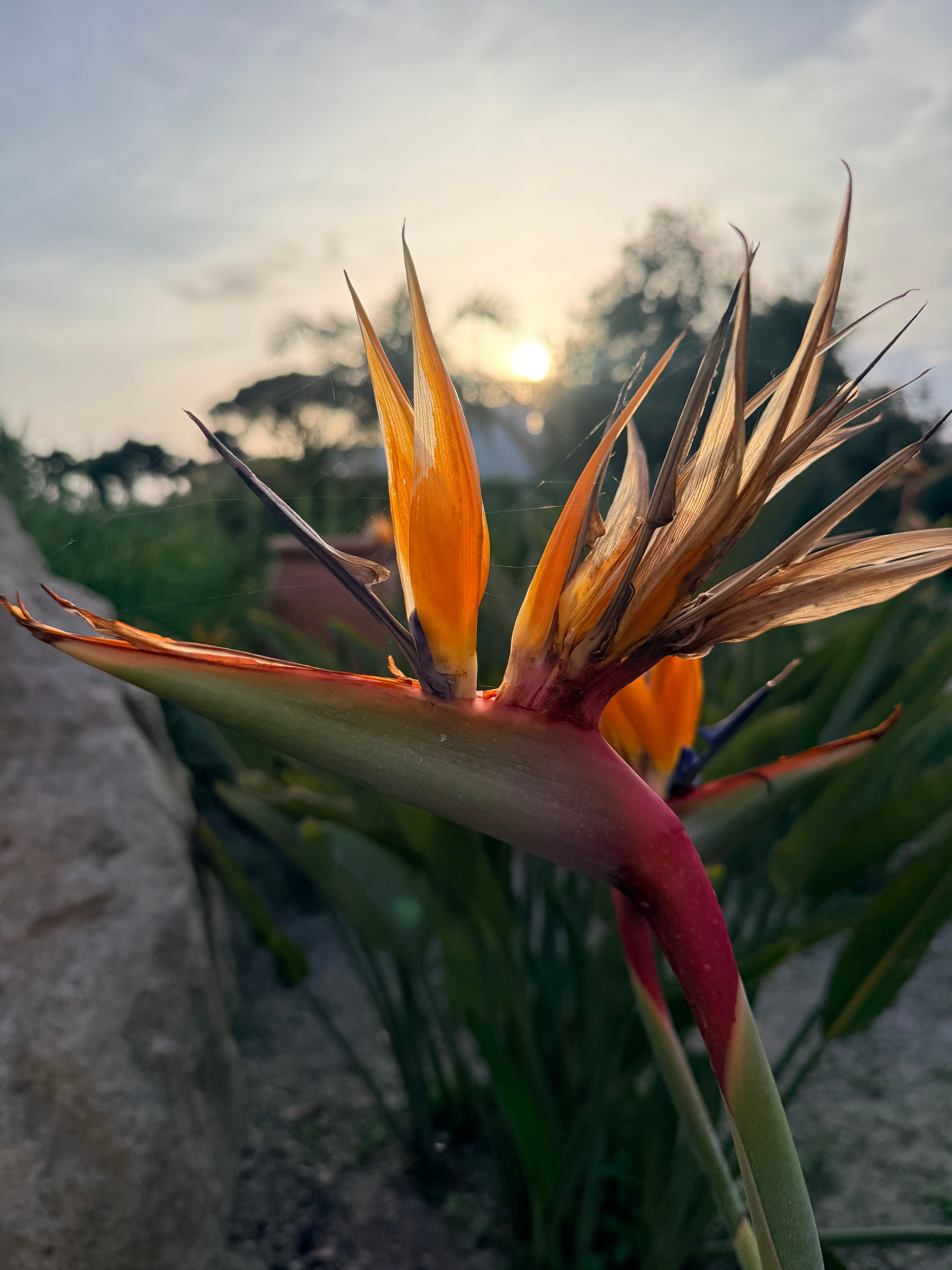
The ancient Greeks put the Epomeo and its environmental perils in perspective: Greek myth describes the first colossal war of the deities in which the primordial generation of Titanic gods were eventually overthrown by their more civilized kin. One of the greatest and most ardent battles was fought between Jupiter and the Titan Tifeo. At first Tifeo’s towering bulk and extraordinary strength got the better of Jupiter. But after numerous retreats and counterattacks Jupiter finally conquered Tifeo by crushing him under a massive mountain-sized rock. That rock is now known as Ischia.
The more cheeky way to explain the presence of the hot thermal waters, the rumblings of the volcano and the frequent landslides is to think of Tifeo shaking things up from deep under the mountain.
Unfortunately, if I had any hope of escaping the chaos back home, to break free from my depressing news feed and to really get some time off, I shouldn’t have picked up a small book by Alexandre Dumas, “Ischia, dai tempi favolosi al 1799” penned by the famed author of The Count of Monte Cristo and the Three Musketeers.
He visited the island a number of times, but it was on his trip in 1835, when he was writing a travelogue about Southern Italy that he came to Ischia. There Dumas felt it necessary to recount some of the more dire episodes from the French Napoleonic period, when the British under the admiralship of Lord Nelson, having defeated the French Kingdom of Naples, enacted revenge on the Ischians who sided with the revolution.
Alexandre Dumas lists off 17 men who found themselves trapped on the island and were shown no mercy. As Dumas reconstructs it, with his obvious love for flourish, some of those put to death had only uttered a sentence against the Neapolitan monarchy, like Giacinto Calise, whose name adorns the pastry bar in Casamicciola Terme. I could go on about the bloody restoration of the Kingdom of the Two Sicilies, but I believe a better bet is to read Susan Sontag’s “The Volcano Lover,” which is set around the same time and while its more focused on Naples, Sontag brings this whole dramatic conflict into stark relief.
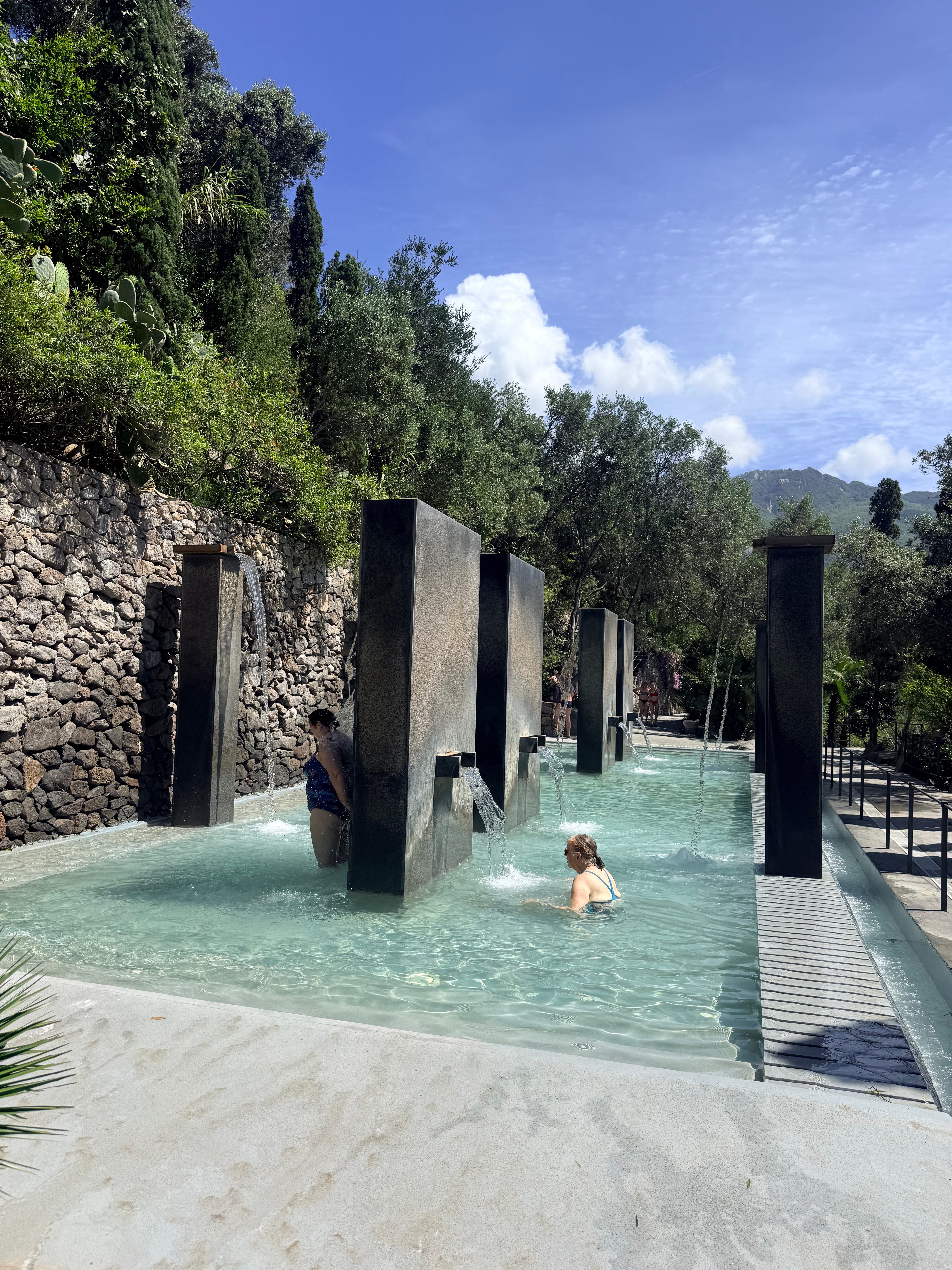
Alexandre Dumas had a friend on Ischia who he refers to several times in his writings, Jacques Etienne De Rivaz, the Swiss born physician who spent considerable time on the island. De Rivaz published Description des eaux minéro-thermales et des étuves de l'ile d'Ischia in 1835 in Italian and in French. This book singlehandedly transformed both the science of thermal waters and Ischia as an ideal location for taking cures.
Whether you believe that Ischia’s fate is in the hands of the Titan Tifeo, whose stirrings determine the island’s fluctuating climate, or whether you believe that Ischia’s overly strategic location is the cause of so much political sturm und drang, the outcome remains the same: Ischia draws you in, and its up to you to make it out alive.
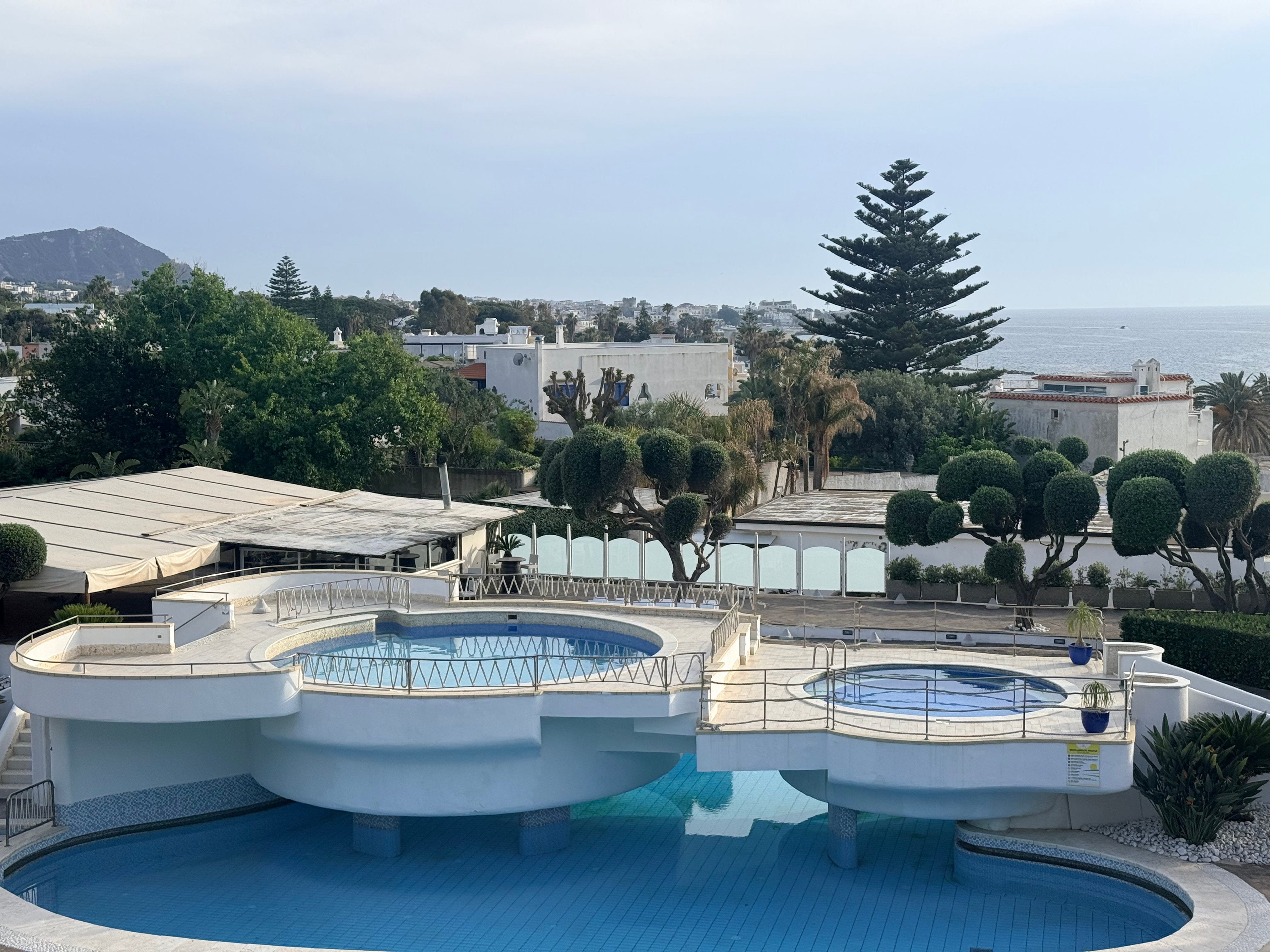
But its precisely this kind of energy that powers the cultural life of the island. In the postwar period the place attracted the likes of Pablo Neruda while he was in exile from Chile, and also the Austrian writer Ingeborg Bachmann and German literary figure Hans Werner Richter. But the key players were likely Alberto Moravia and Elsa Morante who set up shop so to speak in Forio from the late 1940s through the 1960s. The couple held their literary salon at “Bar Maria” also known as “Maria Internazionale.” W. H. Auden and Truman Capote were said to have been regulars.
The demographic among visitors is certainly changing, though the fascination with Ischian literary references remain strong. Now the big draw to the island is Elena Ferrante’s My Brilliant Friend, a multivolume bestseller that includes descriptions of life on Ischia, and that has proven very popular among Americans in particular. Hence a new source of attraction to the island.
So as I can best tell, don’t expect a typical break from your daily life if you plan to spend more than a couple days in Ischia. Its really easy to get sucked in to the volcanic atmosphere, who knows, it might be you who tickles the feet of Tifeo.
My appreciation goes to Lina Tufano, the artistic director for the Incontri Musicali at La Mortella. This year they are celebrating the 100 year anniversary of Lady Walton with a musical program in the gardens featuring young musicians. We attended the concert of Nikita Burzanitsa, a dynamic Ukrainian pianist now living in London, and we serendipitously dined together at the La Rodinella di Anna, an excellent little restaurant overlooking the sea. For further notes on the program check out Christopher Axworthy’s homepage, Artistic director and trustee of the Keyboard Charitable Trust.
Thanks to G. Penzo for pulling this trip together.
take me back ...